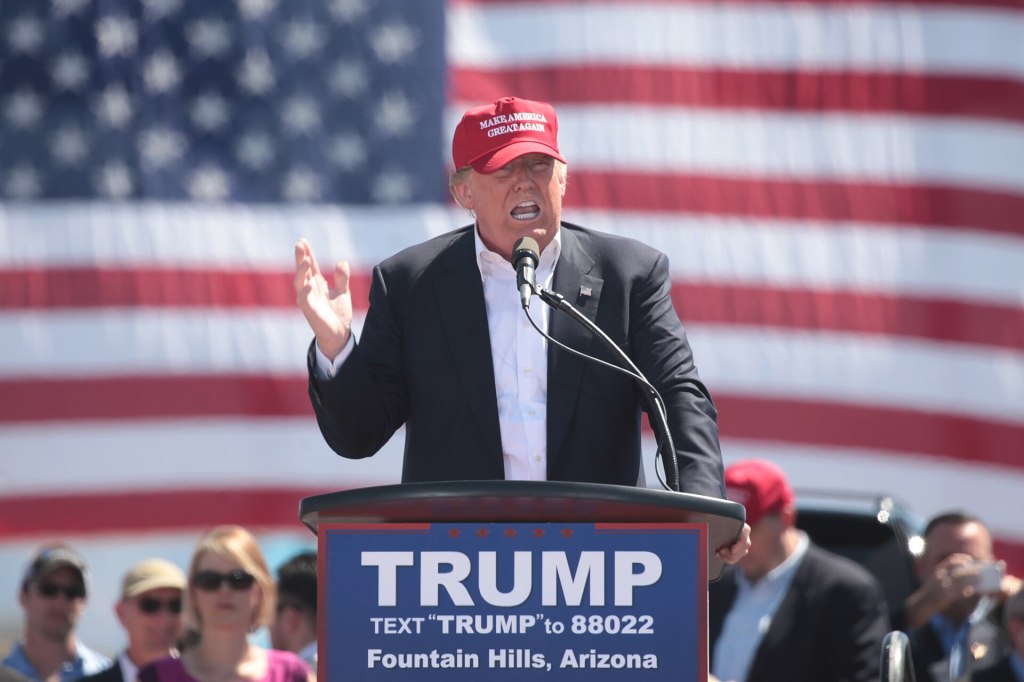
U.S. President Donald Trump has issued a 48-hour ultimatum to Iran to reopen the Strait of Hormuz, warning that failure to comply will result in direct American strikes on key Iranian infrastructure.
The ultimatum, delivered through a series of statements and confirmed by senior U.S. officials, marks one of the most explicit threats yet of large-scale U.S. military action inside Iran. The targets reportedly include power plants, transportation networks, and strategic logistical nodes—signaling a shift toward crippling Iran’s internal capacity rather than limiting strikes to military assets.
Iran has swiftly rejected the demand. Officials in Tehran described the ultimatum as “coercive aggression,” reiterating that the closure of the Strait—through which roughly a fifth of global oil supply normally passes—is a legitimate response to ongoing U.S. and Israeli military operations.
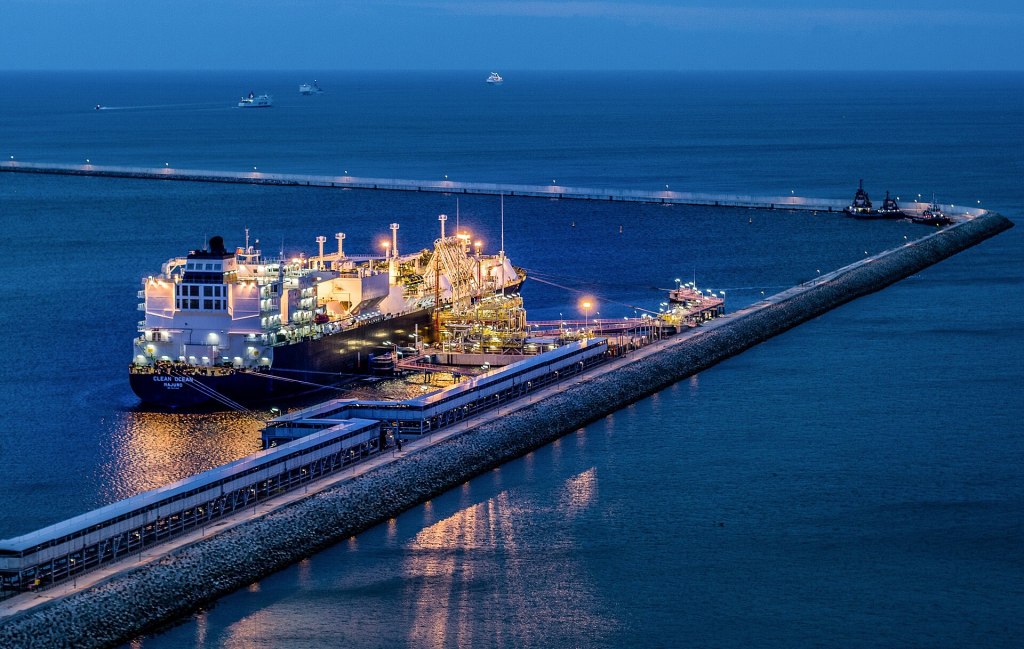
The Strait of Hormuz has remained effectively blocked for days amid escalating naval tensions, with commercial shipping halted and insurers withdrawing coverage for vessels attempting transit. The disruption has already sent shockwaves through global energy markets, with oil prices surging and fears mounting of a prolonged supply crisis.
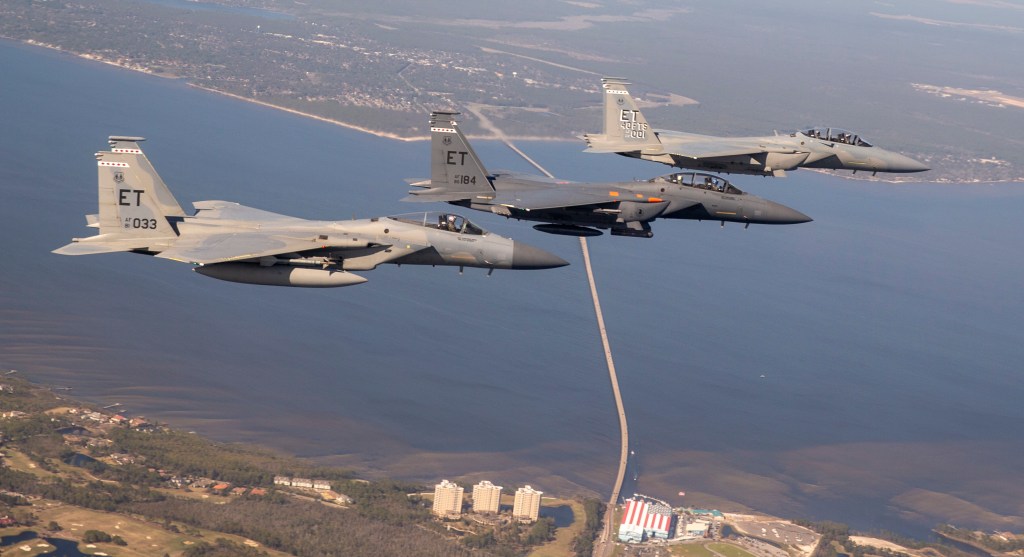
Military activity in and around the Gulf has intensified in parallel. U.S. naval forces have increased their presence, while Iranian coastal defenses and missile systems have been placed on high alert. Analysts warn that any attempt to forcibly reopen the Strait could trigger direct naval confrontation, with unpredictable consequences for both regional security and global trade.
The ultimatum introduces a clear deadline into an already volatile conflict, raising the risk of a rapid transition from controlled escalation to full-scale war. If the deadline passes without a breakthrough, the coming days may witness the most consequential phase of the conflict yet—one that could redefine both the regional balance of power and the stability of global energy systems.

 ThE PUNDIT
Leave a comment