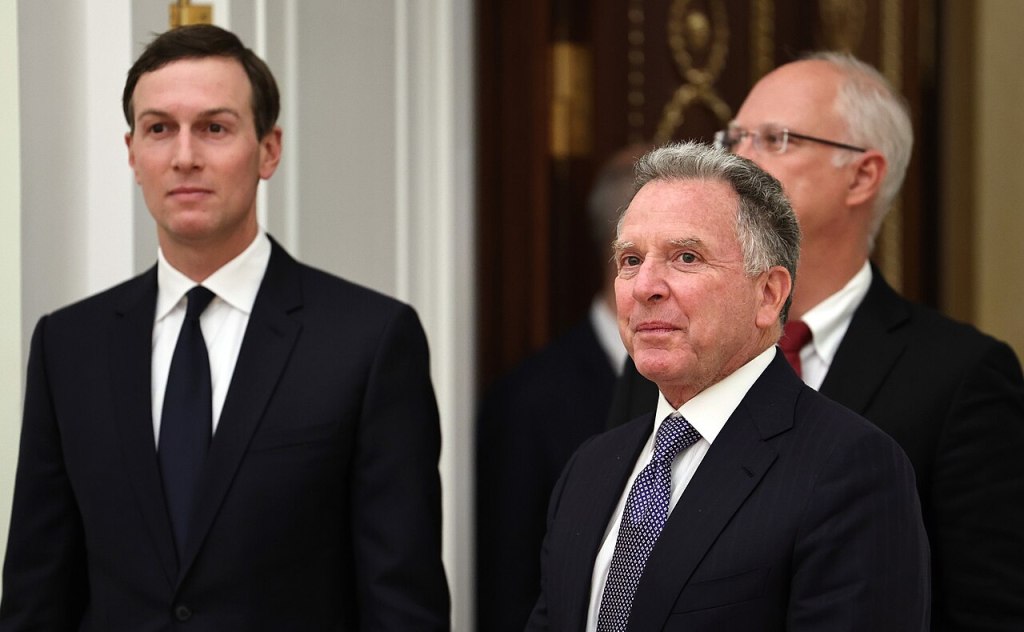
The collapse of the latest U.S.–Iran negotiations has revealed a structural failure at the core of President Donald Trump’s Middle East diplomacy. According to detailed accounts of the talks, the breakdown was not driven solely by geopolitical disagreement or Iranian resistance, but by deficiencies within the American negotiating team itself—most notably a lack of technical expertise, inconsistent positioning, and an approach that undermined the credibility of the process.
The negotiations, which took place across multiple rounds including meetings in Oman and Geneva, were aimed at reaching a framework to de-escalate tensions and revive constraints on Iran’s nuclear program. Officials familiar with the process indicated that a deal had been within reach, with progress made on several key issues. However, the talks ultimately failed, with responsibility attributed in part to the conduct and limitations of the U.S. delegation.
Steve Witkoff has drawn particular scrutiny. Reports indicate that Witkoff entered the talks with limited knowledge of the technical aspects of Iran’s nuclear program and was not supported by a team with sufficient subject-matter expertise. The discussions themselves were highly technical, involving detailed issues such as uranium enrichment levels, reactor requirements, inspection regimes, and stockpile management. In this context, the absence of technical depth within the U.S. delegation significantly constrained its ability to engage effectively.
Iranian Foreign Minister Abbas Araghchi presented a structured and detailed proposal during the final round of talks in Geneva. The proposal reportedly included a seven-page document with an annex outlining Iran’s commitments and expectations. European officials briefed on the proposal considered it a credible basis for further negotiation, and it was assessed by some participants as a serious attempt to reach agreement. However, the American side appeared unable to fully interpret or build upon the technical elements of the offer.
The substance of Iran’s proposal included several significant concessions. Tehran was prepared to return to full monitoring and oversight by the International Atomic Energy Agency. It also offered to neutralize its stockpile of uranium enriched to 60% by down-blending it, a process considered difficult to reverse. In addition, the damage to key facilities such as Fordow and Natanz was expected to result in a multi-year pause in enrichment activities. The primary point of contention was not the existence of constraints, but their duration and the extent to which Iran would retain a future right to civilian enrichment.
Negotiations reached a critical moment during the final stage in Geneva. Iran proposed a moratorium on enrichment lasting between three and five years, extending beyond the end of Trump’s current presidential term. However, following a direct consultation with the president, Witkoff returned to the talks with a revised demand for a ten-year moratorium. This shift altered the balance of the negotiations at a late stage. At that point, sources indicated that both sides had already converged on lifting a substantial portion of U.S. sanctions—reportedly up to 80 percent—and that mediators believed additional time could have produced a finalized agreement.
The conduct of the U.S. delegation during the talks further affected the process. In one instance, Witkoff reportedly invited Araghchi to join a visit to a U.S. aircraft carrier alongside Jared Kushner, despite the carrier’s role in the broader military posture toward Iran. In another, a senior U.S. military commander attended a negotiating session in full uniform, prompting objections from the Omani hosts. These actions were viewed by participants as undermining the seriousness and neutrality of the diplomatic setting.
Time constraints also played a role. The U.S. delegation compressed the negotiation schedule, at one point allocating only a few hours to discussions with Iranian representatives due to overlapping commitments. Given that the talks were conducted indirectly, this limited timeframe further reduced the opportunity for substantive exchange on complex technical issues.
The outcome reflects a combination of strategic and procedural failures. While fundamental disagreements between the United States and Iran remain significant, the structure and execution of the negotiations contributed directly to their collapse. The absence of technical preparedness, coupled with last-minute shifts in demands and an inconsistent diplomatic posture, prevented the translation of partial agreements into a comprehensive deal.
The implications extend beyond this specific round of talks. The failure reinforces existing mistrust between the parties and complicates the prospects for future negotiations. It also underscores the limitations of a diplomatic approach that prioritizes pressure while lacking the institutional capacity and coherence required for complex negotiations.
As tensions in the region persist, the absence of an effective diplomatic channel between Washington and Tehran increases the risk of further escalation. The breakdown of these talks demonstrates that without credible envoys, technical competence, and a consistent negotiating framework, even advanced diplomatic efforts are unlikely to succeed.
 THE PUNDIT
Leave a comment