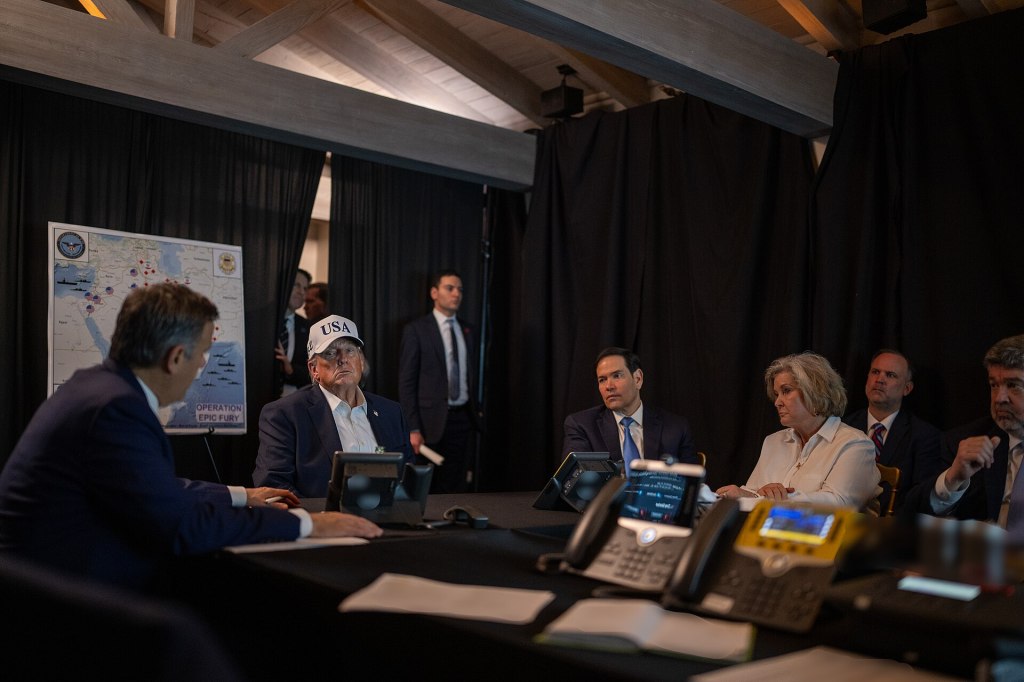
The world awoke on Tuesday morning to yet another threat from U.S. President Donald Trump, who warned that Iranian civilization itself could be wiped out unless an agreement was reached. At the same time, Israel launched airstrikes on Iranian railway lines, claiming that the Islamic Revolutionary Guard Corps was using the rail network.
By Tuesday evening, however, the atmosphere had shifted dramatically. Pakistani Prime Minister Shehbaz Sharif publicly called on the leaders of the United States and Iran to accept a two-week ceasefire across all fronts, including Lebanon. Sharif also urged Iran to reopen the Strait of Hormuz as a gesture of goodwill and proposed that direct negotiations begin in Islamabad on Friday.
Soon after Sharif’s statement, Trump posted on Truth Social that he had agreed to suspend his attack on Iran in response to the appeal of Prime Minister Shehbaz Sharif and Pakistan’s army chief, Asim Munir. Under the arrangement, Iran would reopen the strait for two weeks and negotiations would begin in Pakistan.
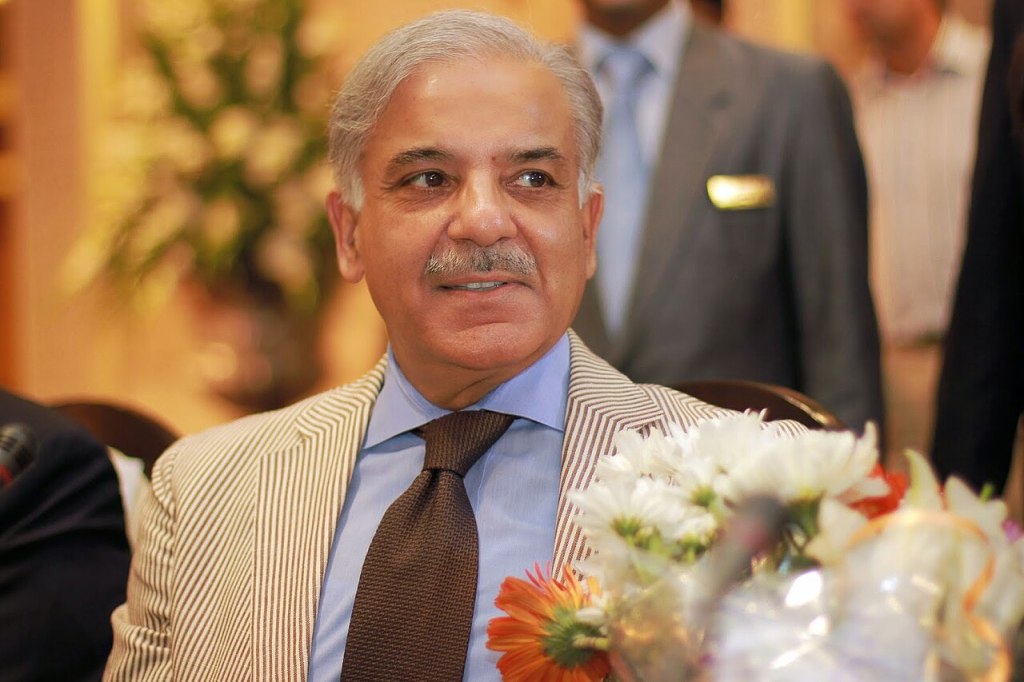
According to Barak Ravid from Axios, Pakistan assumed the public role of mediator, while Egypt played an important behind-the-scenes part in narrowing the gap between Washington and Tehran. Turkey, he said, also provided assistance.
Iranian proposal
The most significant element in Trump’s statement was his acknowledgment that he had received a ten-point proposal from Iran and regarded it as a practical basis for negotiations.
That alone marks a political gain for Tehran. It is not only that its proposal has become the basis for talks, but that the proposal itself appears highly ambitious, according to an Islamic Revolutionary Guard Corps statement outlining its contents.
The ten points reportedly include:
1. End to the war against all components of what Iran calls the “Axis of Resistance,” which in practical terms would mean ending the war in Lebanon;
2. Withdrawal of U.S. forces from all bases in the region;
3. Security protocol for navigation in the Strait of Hormuz under Iranian supervision;
4. Compensation for Iran for war damage;
5. Lifting all current sanctions imposed on Iran;
6. Cancellation of resolutions issued against Iran by the U.N. Security Council and the International Atomic Energy Agency;
7. Release of frozen Iranian assets abroad;
8. Formalization of these arrangements in a binding U.N. Security Council resolution;
9. U.S. commitment in principle not to attack Iran again;
10. According to some versions of the proposal, recognition of Iran’s right to enrich uranium, though this final point remains disputed because it is absent from the English text.
The scale of these demands makes clear how high Iran has set the bar. It is difficult to imagine Washington accepting all of them without effectively admitting defeat.
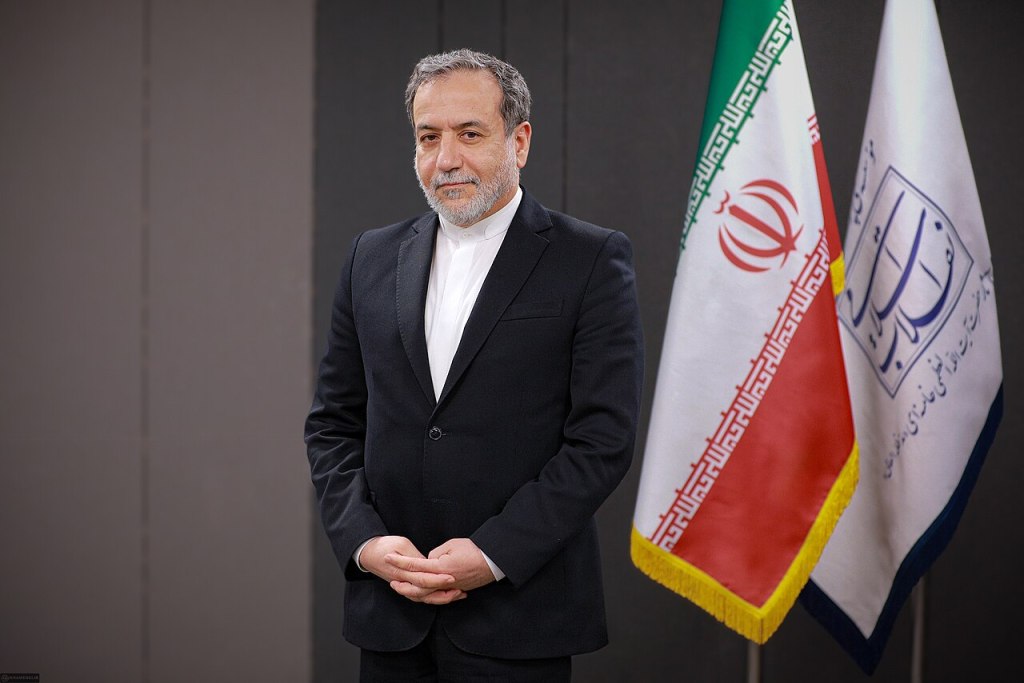
That reading is reinforced by the statement of Iranian Foreign Minister Abbas Araghchi, who, in announcing the ceasefire, also referred to a separate American proposal reportedly containing fifteen points. The negotiations, in other words, remain open and highly uncertain.
One notable development is the reported participation of U.S. Vice President J.D. Vance in the talks. That matters because earlier negotiations were conducted through Trump envoy Steve Witkoff and his son-in-law Jared Kushner, both figures widely criticized for their closeness to Israel and lack of credibility as neutral intermediaries.
Israeli Evasion
Despite the announcement of a temporary ceasefire, including Lebanon, by the principal parties — the United States, Iran, and Pakistan as both mediator and host — Israel’s response quickly exposed the fragility of the arrangement.
On the one hand, Israel said it would observe the two-week ceasefire, and security officials suggested that Lebanon would be included. But almost immediately afterward, the office of Prime Minister Benjamin Netanyahu declared that the ceasefire would not apply to Lebanon.
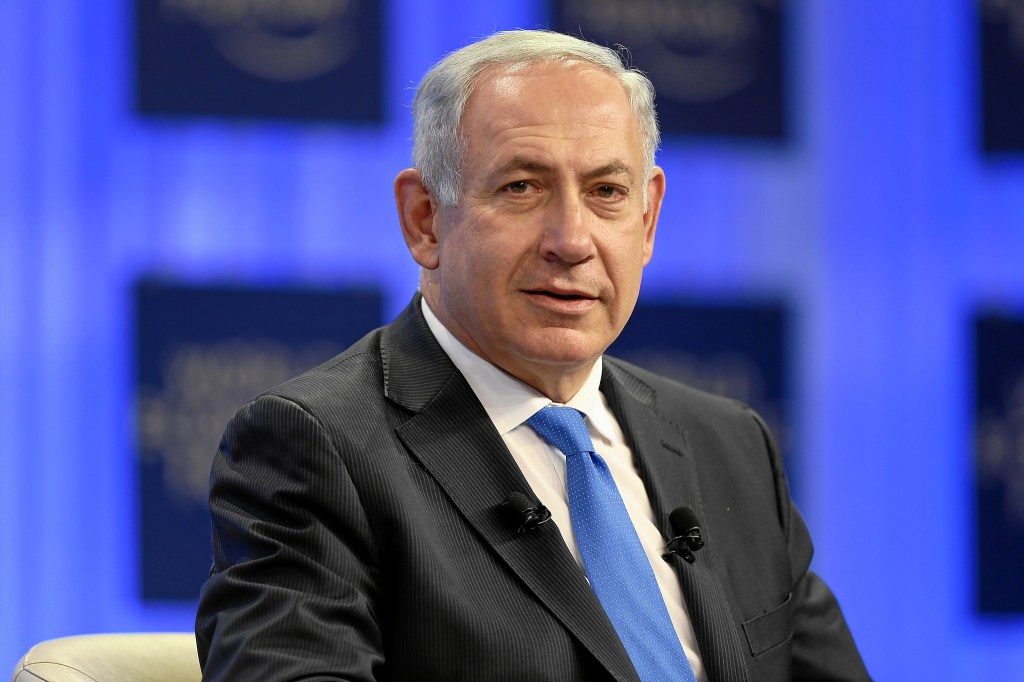
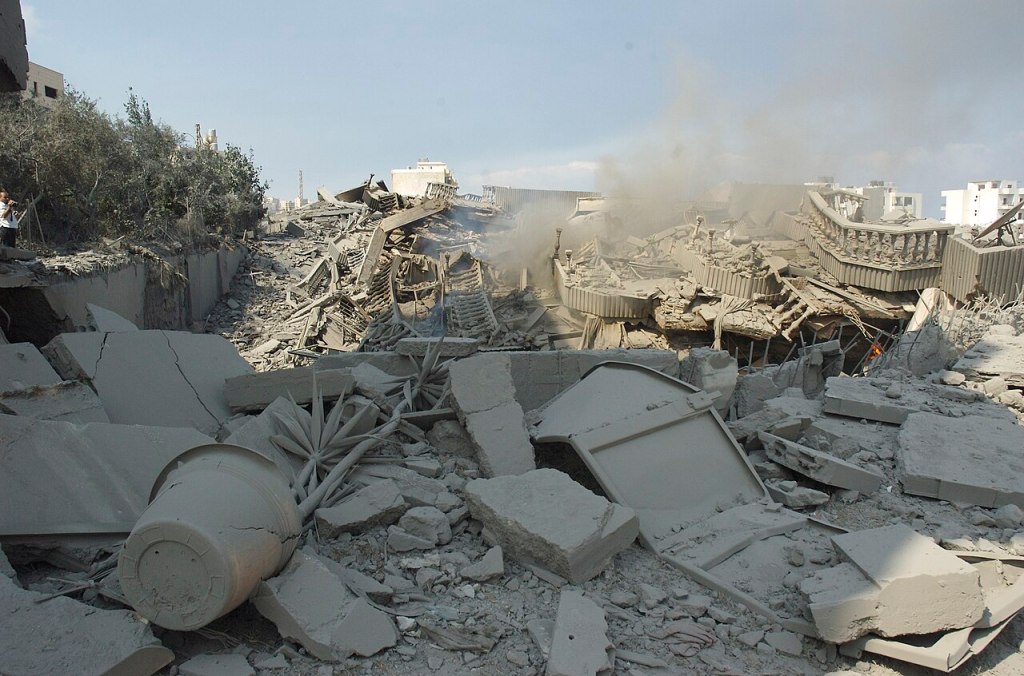
After hours, Israeli forces carried out their largest strikes yet against Lebanon, hitting areas in central Beirut, southern Lebanon, and the Bekaa Valley, while also issuing new evacuation orders for Tyre and making clear that, in Israel’s view, the U.S.-Iran truce does not apply to Lebanon.
This leaves several possible scenarios in the short and medium term. The best-case scenario is that the United States imposes the ceasefire on Israel, including in Lebanon, and then succeeds in pushing through a broader agreement. The worst-case scenario is that Netanyahu sabotages both the truce and the negotiations by insisting on continuing the war in Lebanon. The middle scenario is a form of partial decoupling: Iran and Lebanon could be treated as separate files, or the United States and Israel could diverge in practice, resulting in a ceasefire on some fronts but not others.
That is why the decisive issue now is not simply whether Washington and Tehran can negotiate, but whether Israel can be prevented from derailing the process.
What has happened so far is, at the very least, a significant achievement for the diplomacy of major regional states — Pakistan, Egypt, Turkey, and Saudi Arabia — which stepped in to contain a dangerous escalation.

 THE PUNDIT
Leave a comment