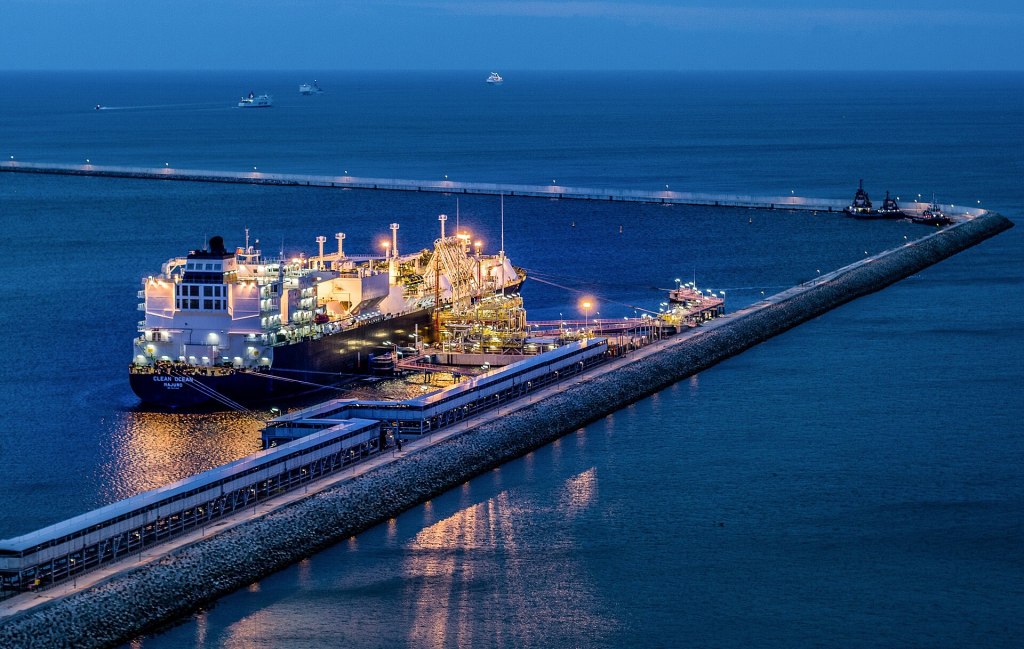
The blocking of Hormuz has turned helium from a niche commodity into a geopolitical vulnerability, because a disruption centered on Qatar removes roughly a third of world supply from a market that has little spare capacity, difficult logistics, and no easy substitute for its most critical uses.
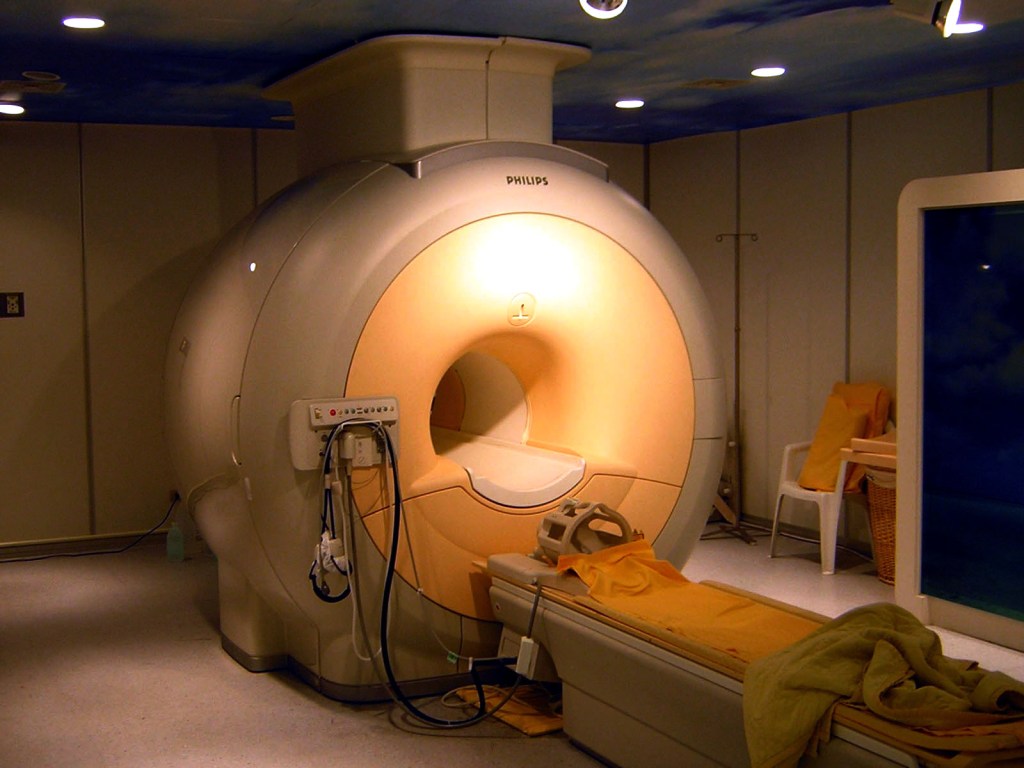
Helium’s importance stems from a unique combination of physical properties—extreme low boiling point, non-reactivity, and high thermal conductivity—that make it irreplaceable in critical technologies. In medicine, it enables the operation of MRI scanners by cooling superconducting magnets; in the semiconductor industry, it stabilizes ultra-precise manufacturing environments; in aerospace, it is used in rocket pressurization and cryogenic systems; and in scientific research, it underpins experiments requiring near-absolute-zero conditions.
Unlike many industrial inputs, helium has no scalable substitute in these domains, and its supply is tightly linked to natural gas extraction in a handful of countries.
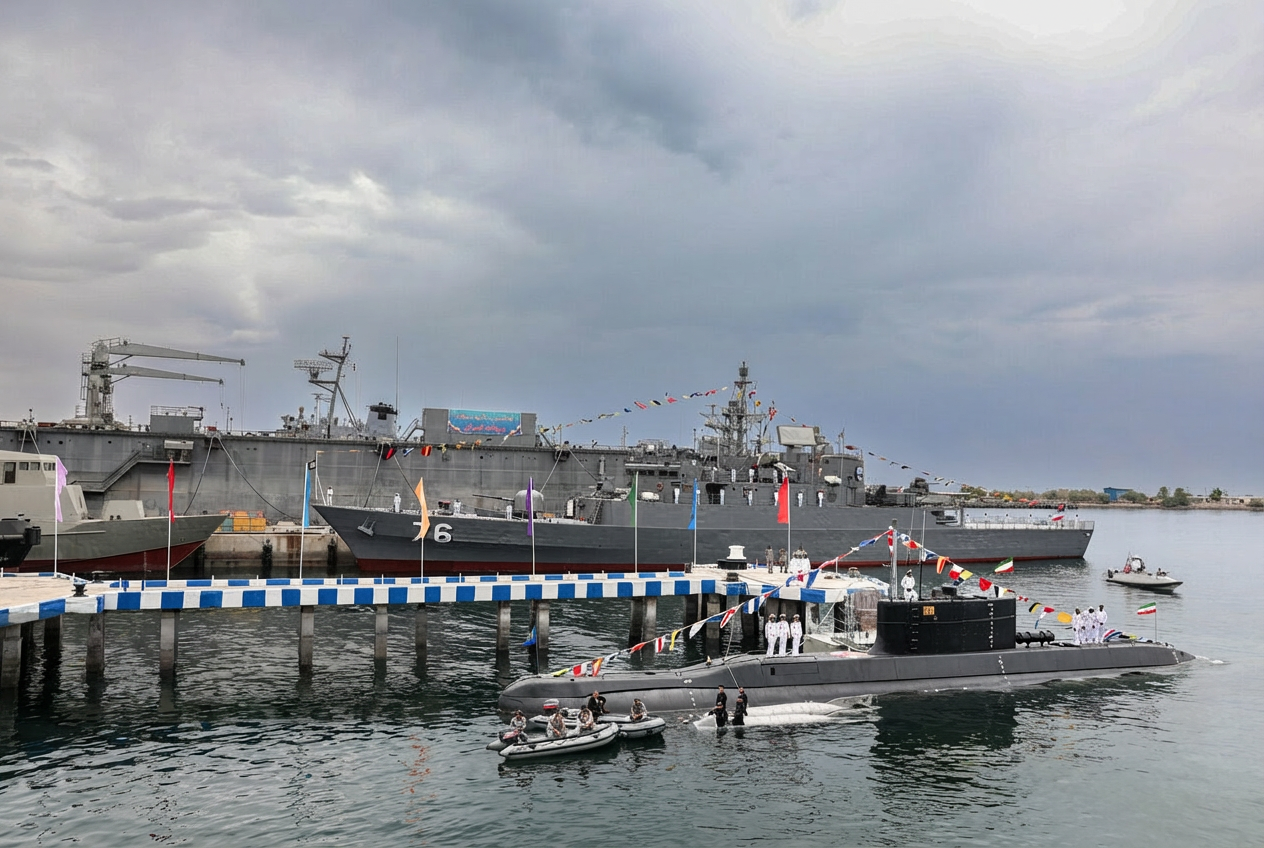
Damage in Qatar
As of early April 2026, the blocking of the Strait of Hormuz has collided with damage to Qatar’s gas-processing system and sharply tightened global helium supply. Qatar is not a peripheral producer: USGS data show it produced about 64 million cubic meters in 2024 out of a world total of about 180 million, and Reuters reports about 63 million cubic meters out of roughly 190 million in 2025. That places Qatar at around one-third of global supply, making any sustained outage a systemic shock rather than a normal market fluctuation.
The immediate mechanism is straightforward. Helium is extracted as a byproduct of natural-gas processing, so when QatarEnergy halted output at its 77 mtpa LNG complex and shipping through Hormuz became unsafe, helium supply was hit twice: first at production, then at export. Reuters reported on March 12 that the production halt had already pushed helium prices sharply higher, and on April 3 Reuters reported U.S. intelligence assessments that Iran was unlikely to loosen its chokehold on the strait soon, making a quick normalization unlikely.
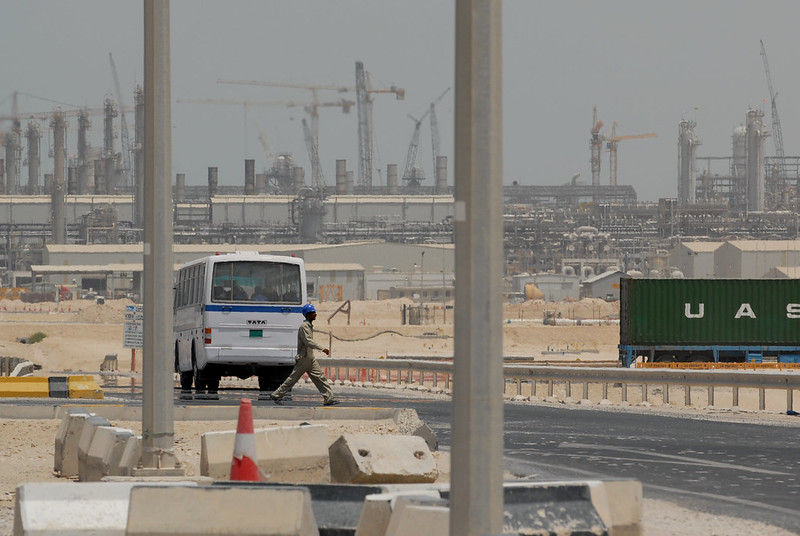
This is why the helium story matters far beyond balloons. Helium is a small market, but it sits inside critical industrial chains. The National Academies note that cryogenics is helium’s largest major use category and specifically identify MRI systems, semiconductor processing, and scientific research as core applications; they also state there is no substitute for helium in MRI refrigeration under the established installed base of superconducting systems. Reuters reports that the current supply shock is already affecting sectors from semiconductors to medical imaging.
Qatar’s structural importance also comes from Ras Laffan. QatarEnergy LNG says Helium 2 at Ras Laffan is the world’s largest helium plant, while the combined Helium 1 and Helium 2 system was designed to make Qatar one of the world’s dominant suppliers. In other words, the present crisis is centered not on a minor plant but on one of the world’s key helium nodes.
The recent military dimension deepens the risk. Reuters reported on March 19 that Iranian strikes damaged two of Qatar’s 14 LNG trains and one of its two gas-to-liquids facilities, taking 12.8 million tons per year of LNG capacity offline for an estimated three to five years and affecting associated exports including helium. Even if some maritime passage eventually reopens, the damage to upstream facilities means the helium market may not revert quickly to pre-crisis conditions.
Market Shock
What makes helium especially vulnerable is that it cannot be rerouted as flexibly as many other commodities. Reuters notes that helium is usually shipped in liquid form and gradually evaporates in transport; one industry executive told Reuters that once liquefied, it has notionally about 45 days to reach the end user. This means storage is limited, transport windows are tight, and replacement supply cannot simply be parked indefinitely or moved slowly through improvised routes.
The pricing shock is already visible. Reuters reported on March 12 that helium spot prices had doubled since the Middle East crisis began, with early indications of about 50% spot-price increases and scenarios in which sustained disruption could push prices back above $2,000 per thousand cubic feet. Reuters also cited an estimate that if current conditions persist, the market is effectively missing around 5.2 million cubic meters of helium each month. That is the scale of dislocation now driving procurement behavior.
The market structure itself worsens the crisis. Because helium is mostly sold through long-term contracts, Reuters notes that price signals often emerge slowly even as physical tightness worsens. In practical terms, that means the visible shortage may lag the real one: users on existing contracts may appear stable until their allocation is revised, while smaller or non-priority buyers can get squeezed abruptly. A market organized around relationships and allocation, rather than continuous transparent pricing, tends to turn geopolitical disruption into uneven industrial rationing.
Conflicting Priorities
The shortage is not being felt evenly. Suppliers typically triage during force majeure conditions, and Reuters reports that medical MRI systems and rocket applications would likely receive full or near-full allocations, while semiconductor makers might still get most of what they need but face tighter conditions, and lower-priority uses such as welding, diving equipment, and party balloons would be cut more aggressively. This suggests the crisis will first show up as selective rationing and sharply higher prices before it appears as universal outage.
Semiconductors are a central exposure point. Reuters reported on March 26 that the tightened helium market had already started affecting some production in global tech supply chains, with executives scrambling for alternatives. Air Liquide separately said on March 25 that a short-term helium shortage was already present and that it was reallocating helium from other regions. This matters because helium is embedded in chip fabrication, cooling, purging, and other advanced manufacturing processes, so a shortage can feed directly into higher costs and lower flexibility for electronics, AI infrastructure, and telecom equipment.
Asia is particularly exposed because it concentrates both manufacturing demand and import dependence. Reuters reported that South Korea’s chipmakers currently have helium inventories that should last through June 2026, with Samsung Electronics and SK Hynix holding roughly four to six months of supply and paying premiums to secure U.S. volumes. That offers temporary insulation, but it also shows that major industrial consumers are already shifting into defensive stockpiling behavior rather than assuming the market will normalize soon.
Europe and other import-dependent regions are vulnerable for a different reason: they are already carrying elevated energy and industrial stress. Reuters has separately described Europe as highly exposed to the broader Gulf energy shock, while the helium market itself remains opaque and governed largely by long-term contracts rather than transparent spot exchange. That combination makes the helium crunch harder to observe in real time and more likely to emerge through contract disputes, surcharges, allocation notices, and downstream delivery delays rather than clean headline price discovery alone.
Temporary Mitigation
There is some mitigation capacity, but it is limited. USGS data show the United States remains the largest producer, and Reuters reports that industrial gas firms and distributors are trying to redirect supply from North America and use existing storage where possible.
The Japanese industrial gases giant, Iwatani, has said it has been able to maintain stable deliveries in part because it sources from the United States and maintains stockpiles in both Japan and the U.S. Air Liquide has likewise said it is reallocating supply from other regions. But these are shock absorbers, not full substitutes for a missing Qatari third of world supply.
From a geopolitical perspective, the helium crisis shows how Hormuz is not just an oil chokepoint but a strategic choke point for advanced industry. A blockade there now affects not only crude and LNG, but also the inert gases and associated industrial inputs that sit inside semiconductor fabrication, health care, aerospace, and scientific infrastructure. In that sense, the crisis reveals a broader pattern: high-tech economies remain deeply dependent on a handful of geographically concentrated extraction-and-processing nodes that are vulnerable to military escalation.
We are still in the opening phase of a helium crisis, not yet its peak. The reasons are threefold: the Strait of Hormuz remains dangerous rather than clearly reopened; part of Qatar’s upstream system has suffered damage measured by QatarEnergy in years, not days; and the helium market has very little slack, limited storage, and few substitutes in its highest-value uses.
If those conditions persist through April and May 2026, the likely sequence is tighter allocations, broader price transmission into manufacturing and health systems, and more visible production slowdowns in lower-margin industrial users before the most strategic sectors are materially hit. That final judgment is an inference based on the supply data, the reported duration of facility damage, and the allocation behavior already described by suppliers and market analysts.


 ThE PUNDIT
Leave a comment