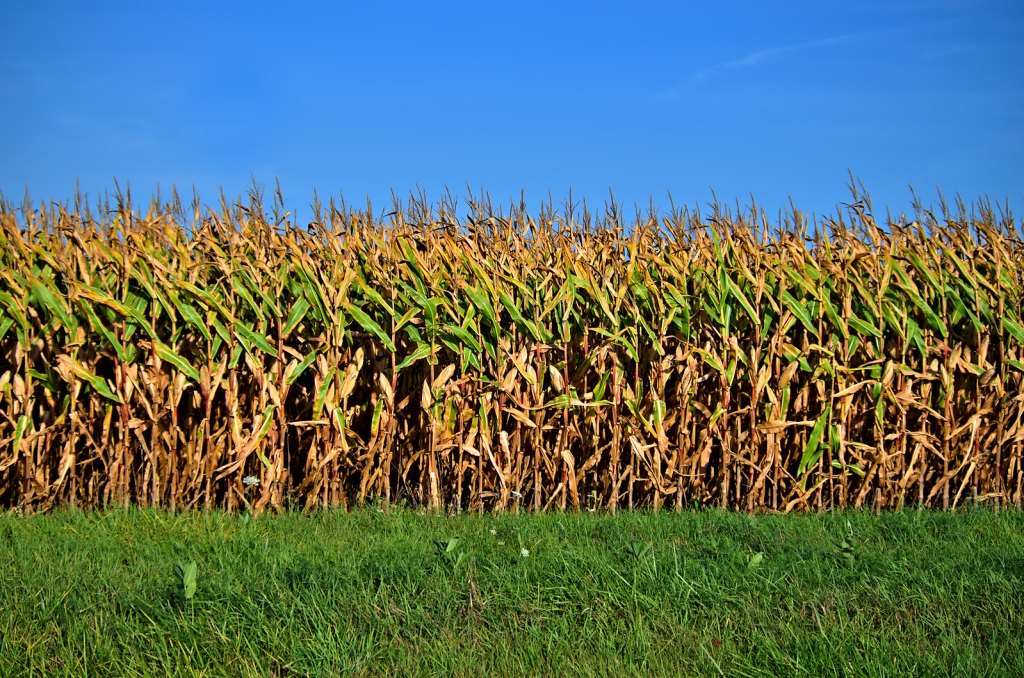
The most dangerous food crises do not always begin with empty grain silos. Sometimes they begin much earlier, in the less visible chemistry of modern agriculture: natural gas turned into ammonia, ammonia turned into urea, and fertilizer spread across fields long before harvest.
That is why the Iran war carries a food risk far larger than the immediate headlines suggest. The danger is not simply that conflict in and around the Strait of Hormuz disrupts oil. It is that it disrupts one of the central metabolic systems of global agriculture. Up to 30 percent of internationally traded fertilizers move through Hormuz, alongside roughly one-fifth of global LNG, the essential feedstock for nitrogen fertilizer. FAO, IFPRI, and UNCTAD have all warned that the disruption is already transmitting shocks through energy, fertilizer, and agrifood markets.
This is what makes the present moment so combustible. Food markets, unlike financial markets, do not always panic at once. They absorb a blow, search for substitutes, and only later reveal the real damage in planting decisions, fertilizer application rates, yields, and retail prices. That lag can be politically deceptive. A government may believe it has escaped the consequences of war because supermarket shelves remain full in the first month. But by then the agricultural season may already have been altered. FAO has warned that fertilizer shortages and higher energy prices now threaten crop yields, while the World Bank says urea prices surged by nearly 46 percent between February and March 2026 amid the ongoing Middle East conflict.
The numbers now emerging are stark. FAO’s chief economist said tanker traffic through the Strait of Hormuz had collapsed by more than 90 percent within days of the escalation. UNCTAD described ship transits through the strait as having come to a near halt, warning that higher energy, fertilizer, freight, and insurance costs would feed directly into food costs and broader cost-of-living pressures. Argus, tracking commodity markets, reported urea jumping by around 50 percent in just weeks, from $482.50 per tonne FOB Egypt on February 27 to $720 on March 17, while ammonia rose by roughly 24 percent over the same period. This is a classic supply shock hitting a sector that the world only notices when it is already too late.
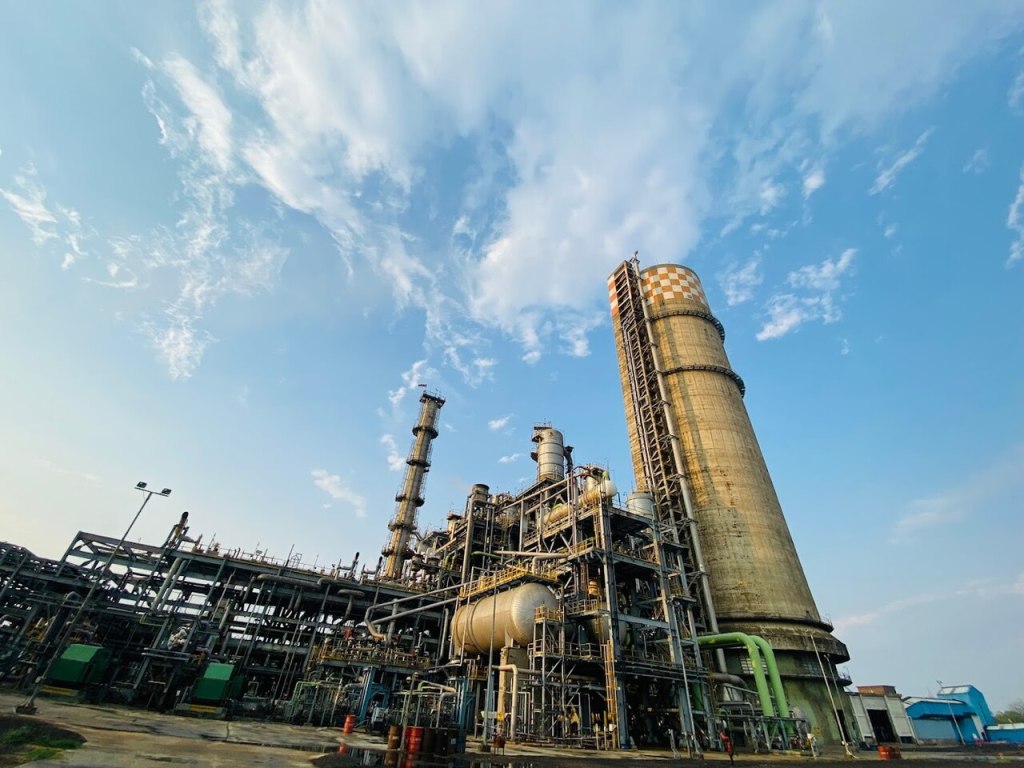
Nitrogen, in particular, is not a luxury input. For many farmers, especially those working under tight margins, cutting fertilizer use is one of the only immediate ways to absorb a price spike. But when fertilizer use falls, yields often follow. IFPRI warns that if the current disruption persists, higher prices could reduce fertilizer use and lower crop yields, with especially severe risks for countries heavily dependent on Persian Gulf fertilizer and natural gas, particularly in Africa and South Asia. FAO has made the same point in broader terms: the conflict has sharply increased risks to global agrifood systems because shortages of fertilizer and higher input costs can cascade into weaker production and more volatile food prices.
The geography of this crisis is especially important. In recent years, the Gulf region has accounted for roughly 30 to 35 percent of global urea exports and around 20 to 30 percent of ammonia exports, according to FAO. Those are not peripheral commodities. They are core ingredients of industrial agriculture. So when military escalation constricts shipping or threatens export infrastructure, the effect is global, not regional. Countries that import fertilizer directly from Gulf producers face immediate stress; countries that rely on global market rebalancing face a secondary stress as buyers compete for scarcer cargoes elsewhere.
South Asia is one of the clearest fault lines. CRU reports that India relies on Qatar for about 44 percent of its imported LNG, while all 32 of India’s ammonia-urea plants are gas-based. It says India’s domestic fertilizer production losses are already estimated at roughly 300,000 tonnes and that a deeper disruption could add about 1 million tonnes of extra import demand in a single month. Pakistan, according to CRU, relies entirely on Qatar’s LNG for its imported gas needs, and Bangladesh sources around 65 percent of its gas from Qatar. In other words, the war threatens food systems not only by interrupting fertilizer shipments from the Gulf, but also by undermining fertilizer production inside major agricultural economies that depend on Gulf gas.
That dual shock is what makes this crisis more dangerous than a conventional export bottleneck. Normally, importers priced out of one source turn to another. But here the war is attacking both the traded fertilizer market and the energy inputs required to make fertilizer elsewhere. That is why analysts are increasingly describing the problem as systemic. CRU estimates that roughly 40 percent of the export market is at risk while the Middle East remains disrupted and China stays largely absent from exports. IFPRI similarly notes that the fertilizer sector remains highly vulnerable to future supply and trade shocks. The implication is clear: resilience in this market is thinner than it appears.
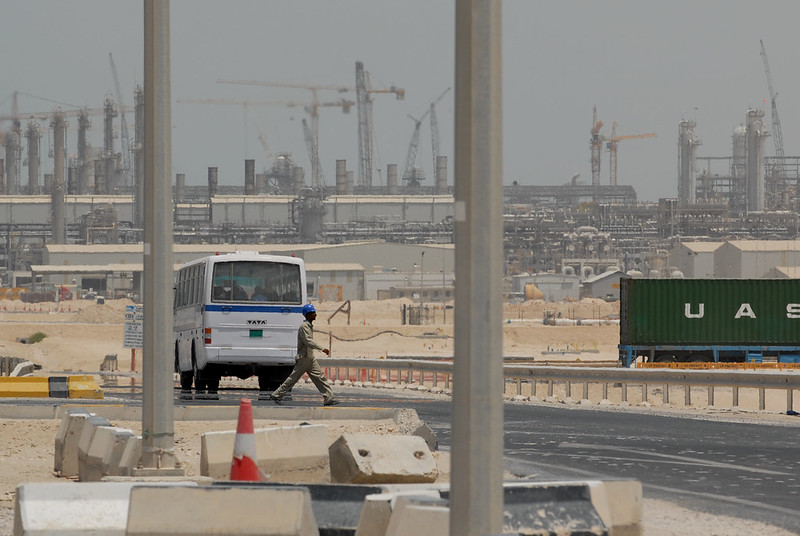
The first countries to feel this most acutely are unlikely to be the richest. Wealthier states can subsidize imports, outbid poorer buyers, and absorb higher shipping and insurance costs. Low-income, import-dependent countries cannot do so as easily. UNCTAD warns that the current shock is hitting at a time when many developing economies already face tight fiscal space and elevated debt burdens. The World Bank, meanwhile, says conflict and climate shocks remain the primary regional drivers of acute food insecurity, with more than 87 million people facing hunger in East and Southern Africa and 52 million projected to be acutely food insecure in West and Central Africa by mid-2026. A fertilizer shock does not create all of that vulnerability, but it can intensify it sharply.
This is why the food question is not merely about the availability of grain today. Global cereal supply is not, at this moment, the same kind of immediate disaster seen in the first phase of the Ukraine war. FAO’s March 2026 Food Price Index release explicitly noted that cereal supply conditions remain broadly comfortable. Yet that same release also showed the overall index rising 2.4 percent month on month to 128.5 points, with higher energy prices and fertilizer affordability concerns feeding into wheat and maize markets. That combination matters politically: the world may still have grain, but the cost structure of producing the next crop is worsening. A market can look comfortable and still be drifting toward crisis.
The historical warning here is obvious. In 2022, following Russia’s invasion of Ukraine, policymakers learned that food crises are rarely just about food. They are about fuel, shipping, insurance, fertilizer, credit, currency depreciation, and state capacity. IFPRI notes that the global food system did adjust after the pandemic and the Ukraine shock, but it also stresses that supply chains remain vulnerable to new geopolitical jolts. UNCTAD makes the same comparison directly, warning that recent shocks showed how disruptions in energy, transport, and agricultural inputs can propagate across interconnected markets. The lesson is that crisis adaptation is real, but so is exhaustion. Each new war lands on a world already weakened by the last one.
There is also a cruel temporal asymmetry at work. The war’s military timetable is immediate; agriculture’s timetable is seasonal. Farmers must decide now whether to pay up for fertilizer, reduce application, switch crops, or gamble on weather and prices. IFPRI warns that higher fertilizer prices can lead some producers to plant less input-intensive crops or apply less fertilizer. That decision may not make international headlines, but multiplied across regions it can shape harvest volumes months from now. The real food crisis, then, may arrive after the diplomatic communiqués and battlefield maps have already moved on.
In that sense, fertilizer is the hidden strategic commodity of this war. Oil moves armies and economies, but fertilizer moves harvests. Without it, food inflation can return even where shelves remain stocked, and political fragility can deepen far from the Gulf itself. FAO has warned that if the crisis persists, fertilizer prices could average 15 to 20 percent higher in the first half of 2026. The World Bank has already recorded a much sharper spike in urea between February and March. Those figures do not guarantee famine. But they do mark the opening conditions of a potentially global food emergency: one in which the battlefield is in the Gulf, the shock is in fertilizer, and the eventual consequence is paid at the dinner table.
For policymakers, the implication is urgent. The food threat emerging from the Iran war will not be solved by watching grain futures alone. It requires monitoring fertilizer cargoes, LNG flows, shipping insurance, import subsidies, and the fiscal capacity of vulnerable states to keep farmers planting. Above all, it requires recognizing that the world food system is now so dependent on a few strategic inputs and chokepoints that a regional war can become a global nutrition crisis by way of nitrogen. The pathway from Hormuz to hunger is no longer theoretical. It is already taking shape.

 ThE PUNDIT
Leave a comment