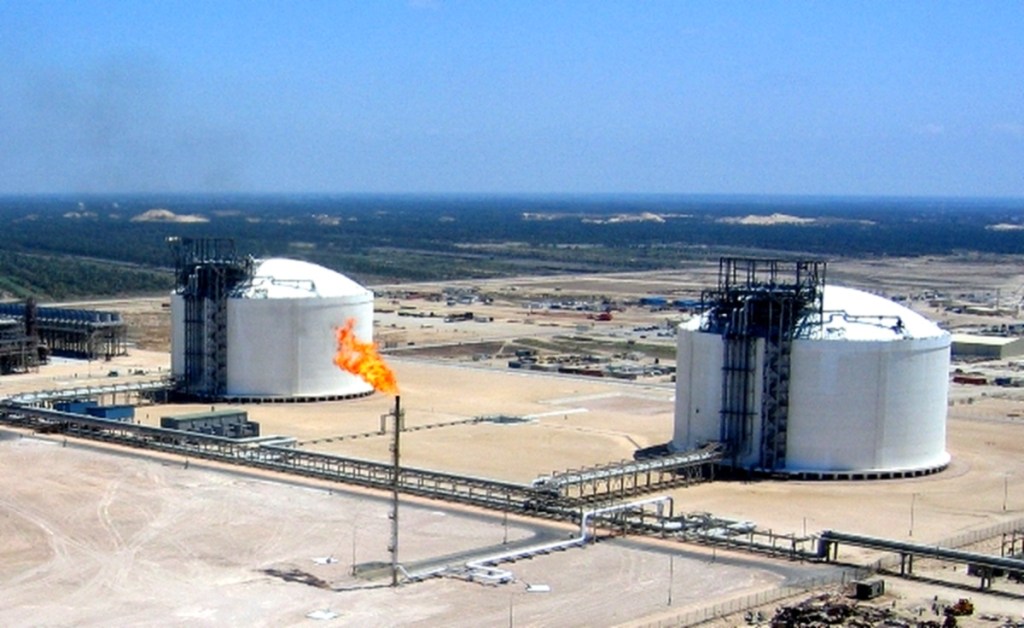
Egypt has announced a new round of natural gas discoveries in the Mediterranean, Nile Delta, and Western Desert, but early technical data indicates that most of the finds are moderate in size, raising questions about their ability to offset a deepening supply gap.
The most significant announcement came from Italy’s Eni, which confirmed a new gas discovery in the Nargis-1 well in the eastern Mediterranean. Initial estimates suggest reserves of approximately 2.5 to 3.5 trillion cubic feet (tcf), a notable find, but still far below the scale of the Zohr gas field, which originally held around 30 tcf.
Separately, Chevron reported gas-bearing formations in the North Marakia block, though without confirmed reserve volumes. ExxonMobil has also drilled exploratory wells in deepwater concessions west of Cyprus waters, with results described as “encouraging but inconclusive.”
Onshore, BP and Apache have added smaller discoveries in the West Nile Delta and Western Desert, with individual wells typically contributing between 20 and 100 million cubic feet per day (mmcf/d), important for local supply, but limited in strategic impact.
These announcements come as Egypt faces a widening gap between production and demand. National gas output has fallen from approximately 7.2 billion cubic feet per day (bcf/d) in 2019 to an estimated 5.5–5.8 bcf/d in 2024, largely due to declining pressure and water encroachment in Zohr.
At the same time, domestic consumption has continued to rise, reaching around 6.2–6.5 bcf/d, driven by power generation needs, industrial demand, and population growth exceeding 110 million.
The result is a structural deficit of roughly 0.5 to 1 bcf/d, forcing Egypt to import gas from Israel at volumes exceeding 800 million cubic feet per day. Egypt LNG hascut exports from Idku and Damietta facilities by more than 60% in 2024.
The new discoveries offer incremental relief rather than a turnaround. Bringing a field like Nargis into production would take 2 to 3 years, with plateau output unlikely to exceed 300–400 mmcf/d, less than 10% of current national demand.
More importantly, the scale of recent finds highlights a structural shif.: Egypt is no longer discovering “supergiant” fields like Zohr, but rather clusters of medium and small accumulations that require continuous drilling to sustain output.
Investment conditions further complicate the picture. Egypt’s arrears to international oil companies have at times exceeded $6 billion, although partial repayments have been made. Currency shortages and delays in cost recovery have also slowed exploration activity, despite recent efforts by the government to revise contractual terms.
Regionally, Egypt continues to position itself as a gas hub through the East Mediterranean Gas Forum, relying on its LNG infrastructure to process gas from Israel and potentially Cyprus. However, declining domestic production has already reduced its export capacity, weakening that position.
In practical terms, the new discoveries may stabilize Egypt’s output around 6 bcf/d over the next few years, but are unlikely to restore the export surplus seen between 2018 and 2021.
 THE PUNDIT
Leave a comment