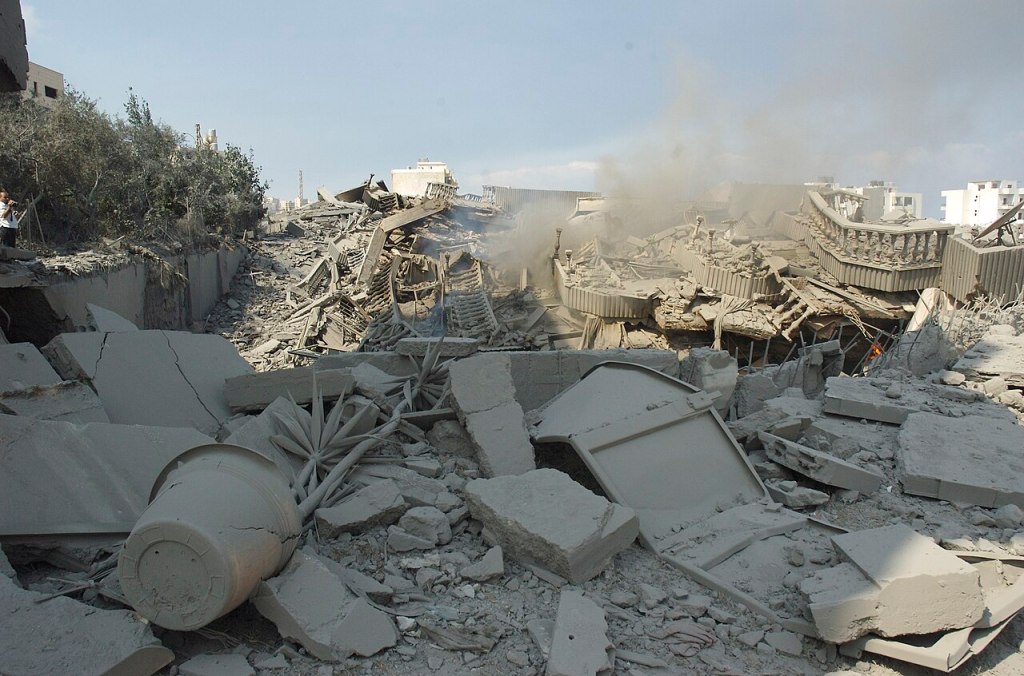
Israel’s latest attacks on Lebanon are not a side note to the new U.S.-Iran ceasefire. They are the clearest sign yet that one of the region’s main combatants is trying to narrow, reinterpret, or even politically sabotage the meaning of the truce before talks in Islamabad can gain traction. On Wednesday, as the two-week pause between Washington and Tehran took effect, Israel launched its largest strikes so far against Hezbollah in Lebanon, while Prime Minister Benjamin Netanyahu’s office declared that the ceasefire “does not include Lebanon.”
That contradiction goes to the heart of the current crisis. Pakistan, which publicly brokered the ceasefire, said the arrangement was meant to halt hostilities across the affected fronts, including Lebanon. Iran-backed Hezbollah halted attacks on Israeli forces early Wednesday as part of the ceasefire environment. But Israel moved in the opposite direction, continuing operations in places including Sidon and Tyre and making clear that, in its view, the war in Lebanon remains fully open.
The military scale of the escalation matters. The Israeli military carried out the biggest wave of strikes yet against Hezbollah since the current Lebanon campaign began. Other reporting described more than 100 sites hit across Beirut, the Bekaa Valley, and southern Lebanon, with strikes reaching densely populated urban areas and causing fresh civilian casualties and destruction. Even where exact casualty counts remain fluid, the political message was unmistakable: Israel wanted to demonstrate that any diplomatic pause with Iran would not automatically constrain its campaign against Hezbollah.
Since Israel launched its offensive in Lebanon on March 2, after Hezbollah opened fire in support of Tehran during the regional war, the conflict has already produced devastating humanitarian consequences.More than 1,500 people have been killed in Lebanon, more than 1.2 million displaced, and that Israel has openly discussed creating a buffer zone in southern Lebanon up to the Litani River. Earlier this week,Israeli strikes that killed at least 11 people on Easter Sunday and another Israeli strike killed a Lebanese army soldier, underscoring that the campaign has extended well beyond Hezbollah fighters alone.
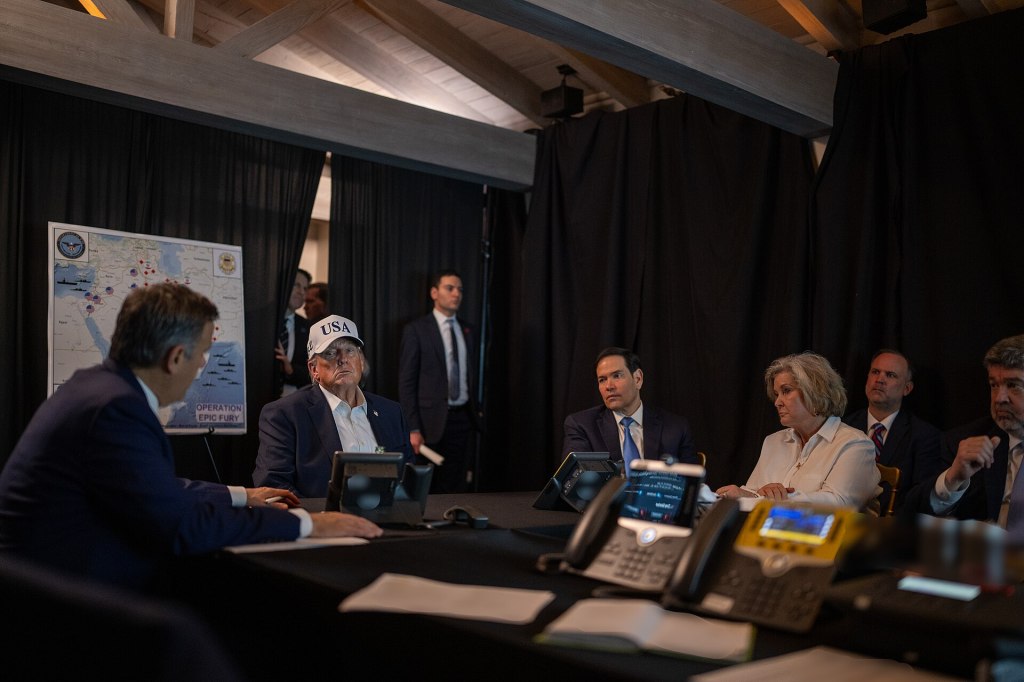
Wednesday’s attacks came just as Donald Trump pulled back from threatening to destroy Iran’s “whole civilisation” and accepted a two-week ceasefire brokered by Pakistan, with talks set to begin in Islamabad on April 10. At that very moment, instead of reinforcing the de-escalation track, Israel was signaling that it reserves the right to keep fighting on the Lebanese front regardless of what Pakistan, Iran, or even Washington may have implied publicly. That makes the Lebanon front the most obvious pressure point through which the wider ceasefire could be weakened.
From Netanyahu’s perspective, there are clear incentives to keep Lebanon outside the truce. A broad ceasefire that included Hezbollah would have meant acknowledging that the Lebanese front is inseparable from the regional confrontation with Iran, which is precisely the linkage Israel has tried to manage selectively. By excluding Lebanon, Israel preserves freedom of action against Hezbollah, sustains military pressure on one of Iran’s closest allies, and avoids the appearance that Pakistan- or U.S.-led diplomacy can dictate its northern war. In practical terms, it allows Israel to accept a pause with Iran while continuing to degrade what it sees as Tehran’s forward military architecture. This is an inference drawn from Israel’s public stance and concurrent military behavior.
But that strategy carries obvious risks. If Hezbollah pauses while Israel continues striking, the burden of restraint becomes asymmetrical, and the ceasefire starts to look less like a regional de-escalation than a tactical breathing space for some actors but not others. A Hezbollah official warned the truce could unravel unless Israel also abides by it. Lebanese officials, meanwhile, said they had not been informed of the ceasefire discussions and stressed that only the Lebanese state can negotiate on Lebanon’s behalf, a reminder that this diplomatic architecture remains incomplete and contested.
That incompleteness is precisely why the Israeli attacks are so consequential. They test whether Washington is willing to define the ceasefire narrowly, as merely a U.S.-Iran arrangement, or more broadly, as the first step toward freezing the war’s interconnected fronts. If the United States tolerates Israel’s continued bombardment of Lebanon while asking Iran and its allies to stand down, Tehran may conclude that the ceasefire is structurally imbalanced and designed to peel away its options one by one. Under those conditions, any negotiation in Islamabad becomes more fragile before it even begins.
Israel has spent recent weeks expanding the Lebanon war beyond tit-for-tat border exchanges toward a broader campaign shaped by buffer-zone ambitions and repeated heavy strikes deep inside Lebanese territory. This campaign is linked to Israeli plans to clear and dominate the area up to the Litani River, a goal that would reshape southern Lebanon’s geography and politics far beyond the immediate war. Seen in that context, Wednesday’s bombardment was not simply retaliation or momentum. It was a statement that Israel does not intend to let a U.S.-Iran diplomatic track interrupt its effort to reorder the Lebanese theater on its own terms.
The result is a ceasefire that may already be splitting into different wars. On paper, Washington and Tehran have stepped back from direct escalation. In practice, Lebanon is becoming the arena where the meaning of that pause will be decided. If Israel continues to strike while Hezbollah remains under pressure to hold fire, the truce could survive formally yet fail politically, reduced to a deal that stops one exchange of missiles while allowing another front to burn unchecked. That would not merely weaken the ceasefire. It would expose its central contradiction: a regional war cannot be stabilized if one of its most explosive fronts is deliberately kept outside the peace.

 THE PUNDIT
Leave a comment